
SMC — Sheet Molding Compound Material
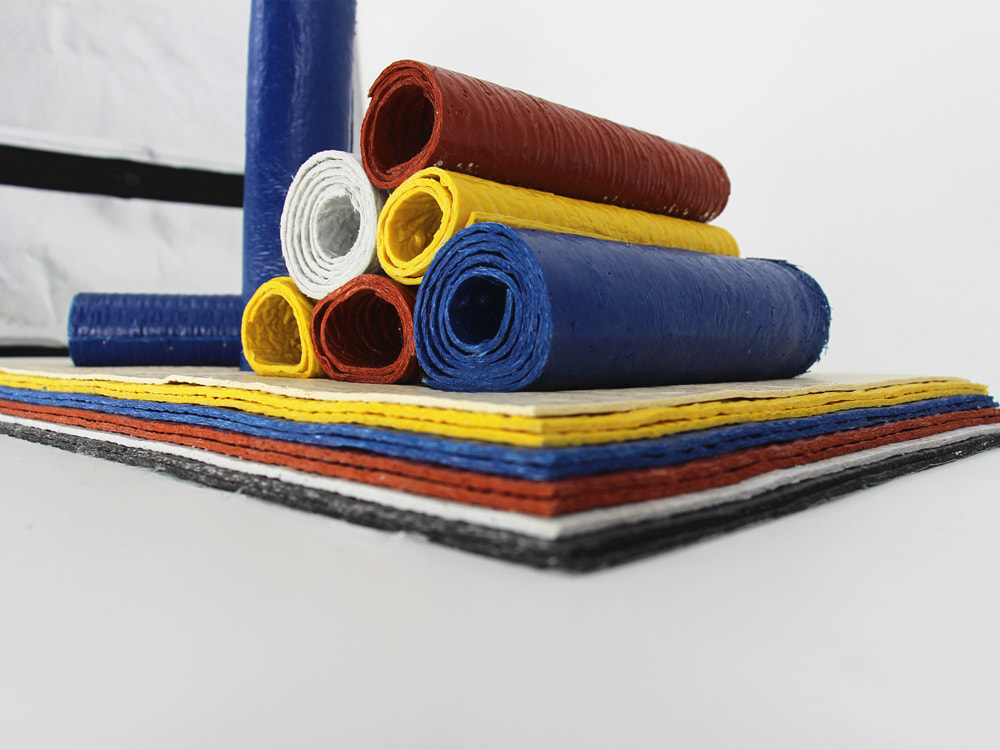
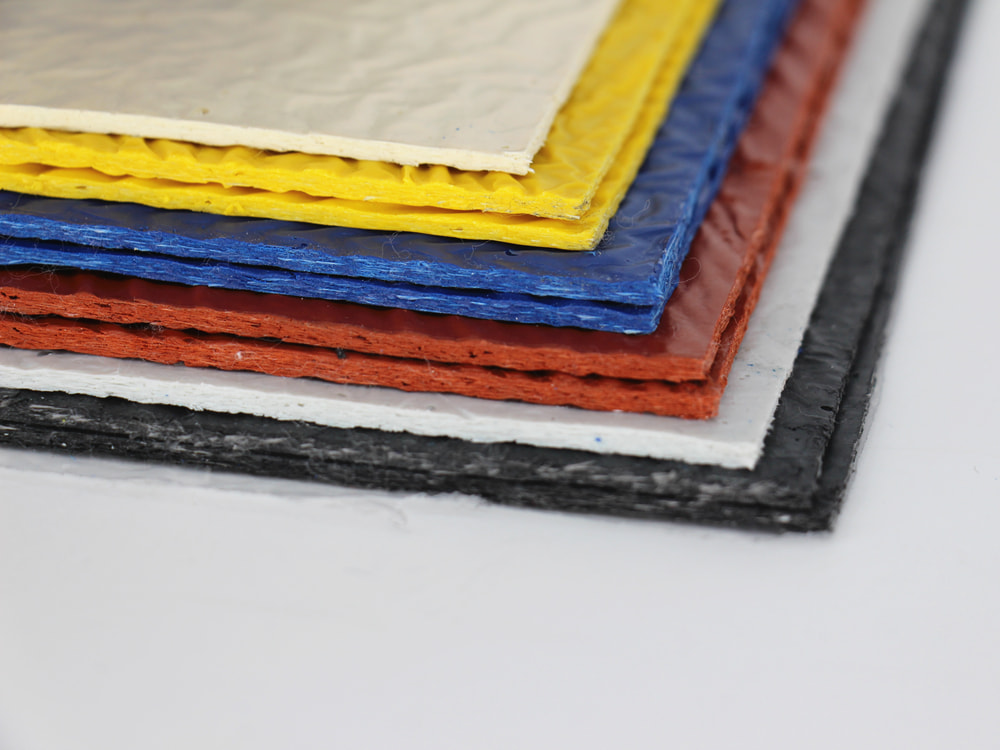
Sheet Molding Compound (SMC), sometimes called sheet moulding composite, is a ready-to-mold thermoset material supplied as a continuous sheet rather than the dough-like mass used for BMC. It's built from a resin paste — unsaturated polyester, thickeners, mineral fillers, initiators, release agents and pigments — impregnated with chopped glass fiber or glass felt, then sandwiched between two layers of polyethylene film.
Compared with bulk molding compound, SMC uses longer glass fibers (typically 25–50mm) at a higher fiber content, with a lower filler loading. That composition gives SMC noticeably better mechanical performance, making it the material of choice for larger, structural, or higher-strength parts rather than the small, intricate ones BMC handles best.
What Goes Into an SMC Sheet
Three main ingredients, each contributing a different property to the finished part.
Unsaturated Polyester Resin
Forms the binding matrix, giving the cured part its rigidity, chemical resistance and surface finish.
Chopped Glass Fiber
Longer fibers than BMC (25–50mm) deliver higher tensile strength and dimensional stability.
Mineral Fillers
Mainly calcium carbonate, controlling shrinkage, cost and surface smoothness of the molded part.
The SMC Production Process
A continuous, four-stage line turns raw resin and glass fiber into a ready-to-mold sheet.
Resin Paste Preparation
Resin, thickener, filler, initiator and pigment are blended into a uniform paste.
Fiber Chopping
Glass roving is cut to length and dropped evenly onto the paste layer.
Impregnation & Winding
A top film seals the sheet, which is compacted to a set thickness and rolled up.
Maturation & Storage
Sheets thicken over 1–3 days at controlled temperature until ready for molding.
Why Manufacturers Choose SMC
The longer fiber and lower filler content of SMC translate directly into part-level performance — strength close to some metals at a fraction of the weight, with the corrosion resistance thermoset composites are known for.
- Glass fiber content20% – 35%
- Glass fiber length25mm – 50mm
- Molding temperature140°C – 160°C
- Molding pressure1000 – 2000 psi
- Dielectric propertiesStrong insulator
Industries Built on SMC Compound
Its strength-to-weight ratio and surface finish make SMC a go-to choice across these fields.
Automotive
Body panels, hoods, spoilers and structural underbody parts that need stiffness at low weight.
Electrical Equipment
Switchgear enclosures and insulating panels that rely on SMC's strong dielectric properties.
Home Appliances
Large housings and panels where surface finish and corrosion resistance both matter.
Building Materials
Water tanks, ductwork and cladding panels that need to hold up outdoors for years.
SMC Grades We Supply
The right formulation is matched to your part's mechanical, thermal and appearance requirements.
Standard SMC
Balanced strength and cost for everyday structural and enclosure parts.
Class A SMC
Low-profile additives minimize shrinkage marks for a paint-ready surface finish.
FR-Grade SMC
Meets flammability requirements for electrical and transit applications.
Reinforced SMC
Higher glass-fiber loading for structural, load-bearing automotive components.
Common Questions
What's the difference between SMC and BMC material?
SMC uses longer glass fiber and less filler, giving higher strength and stiffness, and is supplied as a sheet rather than a dough-like bulk mass. BMC is better suited to smaller, more intricate parts.
How long can SMC sheets be stored before use?
SMC needs a maturation period of roughly 1–3 days after production and is generally used within a limited storage window while its molding viscosity stays in range.
Which resin systems are available?
Unsaturated polyester is standard; vinyl ester or epoxy resin systems are available for parts that need extra chemical or thermal resistance.
Can SMC match a Class A automotive finish?
Yes — with a low-profile additive package, SMC can be formulated to minimize surface waviness and shrinkage marks for a paintable, Class A surface.