

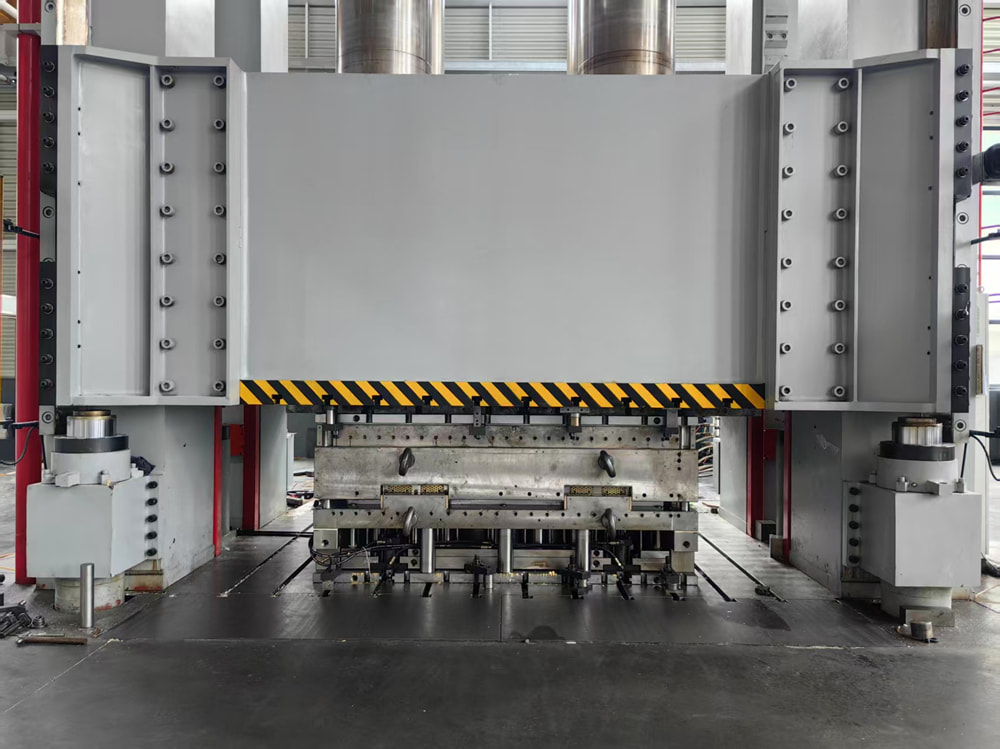
We Build the Tool, Not Just Sell a Catalog Part
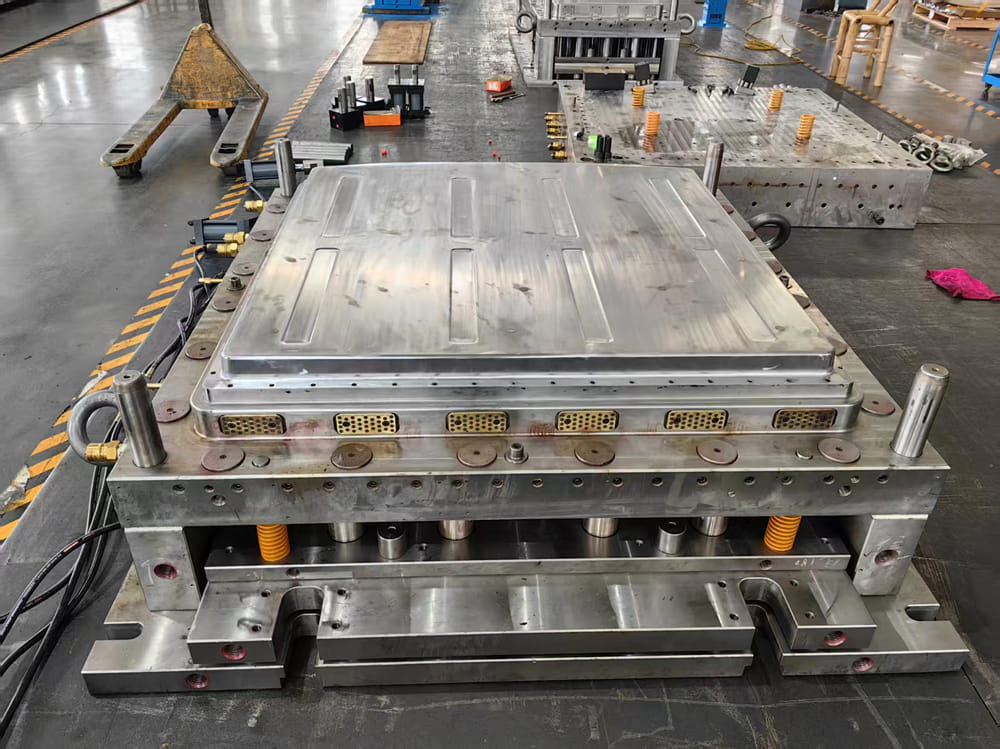
This page is about what we manufacture directly: moulds and tooling built specifically for SMC and BMC moulding. We don't resell standard tooling — every mould we deliver is machined around your part geometry, your production volume and the specific SMC/BMC grade you run, because a tool designed around one compound rarely performs the same on another.
If you're comparing mould suppliers, the questions that actually matter are: has this shop built tooling for your compound before, can they support your part through DFM before steel is cut, and will the mould still be running to spec after the volumes ramp up. That's what the rest of this page answers.
What Makes Our Tooling Different
Six reasons customers keep coming back to us for their next SMC/BMC mould, instead of shopping it around again.
Built Around Your Compound, Not a Generic Cavity
We ask what SMC or BMC grade you're running before we design — flow length, shrink rate and fiber loading all change gate placement, venting and cure cycle.
In-House Design Through Final Polish
Design, CNC roughing, EDM and hand polishing all happen under one roof, so there's no handoff delay or quality gap between departments.
DFM Review Before We Ever Cut Steel
We flag draft, wall thickness and shrink issues on your drawing up front, so you're not paying to fix a mistake after the tool is already built.
Real Trial Samples, Not Just a Drawing Sign-Off
Every mould is trialed on press with your actual compound and measured against your tolerances before we call it finished.
Tooling Sized for Your Volume, Not Overbuilt
We size the steel grade and cavity count to your actual annual volume, so you're not paying for a production-grade tool when a lower-volume build would do.
We Stand Behind It After It Ships
If a cavity wears or needs a spec change down the line, we still have your tool data on file and can repair, refurbish or modify it — not just quote a brand-new mould.
Mould Types We Manufacture
Four tooling formats, each selected based on your part geometry and production volume — we'll recommend the right one once we see your drawing.
Compression Moulds
Our most common build for SMC sheet charges and thick BMC parts — matched dies that close under press tonnage and heat.
Injection Moulds
Runner-and-gate tooling built around BMC's dough-like flow, for smaller parts and higher shot counts.
Transfer Moulds
Pot-and-plunger tooling we build when your part carries delicate metal inserts that compression moulding would damage.
Family & Multi-Cavity Moulds
Multiple cavities in one tool base — we'll run the cost comparison against a single-cavity tool once we know your volume.
From Your Drawing to a Running Mould
The same four stages we walk every custom tooling order through, start to finish.
You Send the Part
A drawing or 3D model, your target volume and the SMC/BMC grade you'll run — we review it for mouldability and quote from there.
We Design & Confirm
You approve the tool design, steel grade and cavity layout before we release the job to machining.
We Build & Trial
Cavity and core are machined, polished and trialed on press with your actual compound.
You Approve Samples
We ship first-article samples for your sign-off, then release the finished mould — or start production on your behalf.
Tooling Capacity, Not Just a Sales Pitch
These are the actual limits of what we can cut and finish in-house — useful to check against your part before you ask us to quote it.
- Max mould size1800mm × 1200mm
- Max press tonnage supported2000T
- Cavity countSingle to multi-cavity
- Tool steel optionsP20 / 718H / H13 / S136
- Surface finishEDM texture to mirror polish
We Match the Steel to Your Production Life, Not the Other Way Around
We'll recommend one of these based on your expected shot count and how abrasive your compound's filler content is.
P20 Pre-Hardened Steel
Our recommendation for trial tools and shorter runs where turnaround matters more than tool life.
718H Steel
Our default for mid-volume production tooling — better hardness and polishability than P20 at a moderate cost step-up.
H13 Hot-Work Steel
What we specify when your compound's glass fiber and mineral filler content is high enough to wear a softer cavity quickly.
S136 Stainless Mould Steel
What we recommend for long-life, high-cavity-count tools exposed to resin cure byproducts over years of running.
Questions We Get Asked Most
Do you only build the mould, or can you also run the parts?
Both — we can hand off a finished mould for you to run on your own press, or run production of the SMC/BMC part ourselves using the tool we build.
Can you take over a mould another shop built?
Yes, we regularly refurbish, modify or requalify tooling built elsewhere — send us the tool drawing and current sample and we'll assess it.
What if my part needs to switch from SMC to BMC later?
We'll tell you upfront whether your cavity can be reused — usually the gate design and cure parameters need rework since the two compounds flow differently.
What do you need from me to start a quote?
A part drawing or 3D model, your expected annual volume, and the SMC/BMC grade you plan to run is enough for us to size the tool and quote.